
Introduction
As CBD products continue to grow in popularity across Iowa, many consumers are becoming more interested in understanding what exactly is inside the products they purchase. One of the most important topics for beginners and experienced users alike is THC content.
Although CBD and THC both come from cannabis plants, they affect the body differently and are regulated under different laws. Many people who purchase hemp-derived wellness products are surprised to learn that some CBD products may still contain small amounts of THC.
Understanding THC limits is important for anyone using or considering CBD Oil in Iowa because product labels, formulations, and legal requirements can vary significantly. Knowing how THC works, how much is legally allowed, and how different CBD products are formulated can help consumers make more informed and responsible decisions.
This guide explains THC limits in Iowa CBD products, the difference between CBD and THC, and what consumers should know before purchasing hemp-derived products.
Understanding CBD and THC
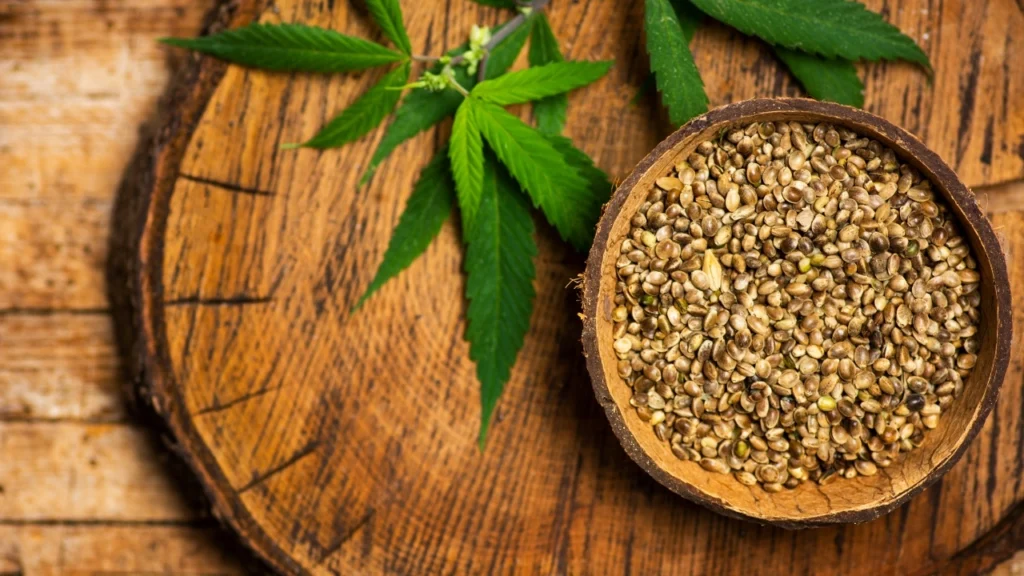
CBD (cannabidiol) and THC (tetrahydrocannabinol) are both cannabinoids naturally found in cannabis plants.
While they come from the same plant family, they interact with the body differently.
What Is CBD?
CBD is a non-intoxicating cannabinoid commonly used in wellness products.
Many people explore CBD for reasons related to:
- Relaxation
- Everyday wellness
- Stress management
- Sleep support
- Recovery-focused routines
CBD does not typically create the euphoric “high” associated with marijuana.
What Is THC?
THC is the primary psychoactive compound found in cannabis.
It is responsible for the intoxicating effects commonly associated with marijuana use.
The amount of THC in a product plays a major role in:
- Legal classification
- Product effects
- Regulatory compliance
This is why THC limits are closely monitored in hemp-derived CBD products.
Hemp vs Marijuana: Why THC Levels Matter
One of the most important distinctions in cannabis laws involves the difference between hemp and marijuana.
Hemp
Under federal law, hemp is defined as cannabis containing:
- 0.3% THC or less on a dry-weight basis
Hemp is commonly used to produce:
- CBD oil
- Gummies
- Capsules
- Topicals
- Wellness products
Marijuana
Cannabis plants containing more than 0.3% THC are generally classified differently under federal regulations.
This distinction affects:
- Product legality
- Manufacturing regulations
- Consumer access
The 0.3% THC threshold is extremely important in determining whether a CBD product qualifies as federally legal hemp-derived CBD.
THC Limits in Iowa CBD Products
In Iowa, hemp-derived CBD products must comply with federal THC regulations.
This means legal hemp-derived CBD products generally contain:
- No more than 0.3% THC by dry weight
Products exceeding this limit may fall into different legal classifications.
For consumers using CBD Oil in Iowa, understanding this THC threshold helps clarify:
- Product legality
- Label accuracy
- Consumer expectations
Although 0.3% THC is considered a very small amount, it can still influence how products are formulated and marketed.
Why Some CBD Products Contain THC
Many consumers assume all CBD products are completely THC-free, but this is not always the case.
Some CBD products intentionally retain trace cannabinoids from the hemp plant.
This is especially common with:
- Full-spectrum CBD products
These products may contain:
- CBD
- Minor cannabinoids
- Terpenes
- Trace THC within legal limits
The amount of THC is typically very small, but understanding product type is important before purchasing.
Understanding Full-Spectrum CBD
Full-spectrum CBD products contain multiple naturally occurring compounds from hemp.
These may include:
- CBD
- Minor cannabinoids
- Flavonoids
- Terpenes
- Trace THC
Some users believe these compounds work together to create what is commonly called the “entourage effect.”
Because full-spectrum products contain trace THC, consumers should carefully review lab reports and product labels.
Broad-Spectrum CBD and THC-Free Options
People who want to avoid THC entirely often choose broad-spectrum or isolate products.
Broad-Spectrum CBD
Broad-spectrum CBD contains multiple hemp compounds but removes THC.
This option is popular among individuals who:
- Prefer THC-free products
- Want additional cannabinoids besides CBD
- Are cautious about THC exposure
CBD Isolate
CBD isolate contains only pure CBD without additional cannabinoids or THC.
Many beginners choose isolate products for simplicity and clarity.
Can Trace THC Cause Intoxication?
Legal hemp-derived CBD products contain very small amounts of THC.
For most people, products compliant with the 0.3% THC limit are not intended to produce intoxicating effects.
However, individual experiences may vary depending on:
- Product strength
- Serving size
- Frequency of use
- Personal sensitivity
- Metabolism
Consumers should always use products responsibly and follow serving recommendations carefully.
Why Third-Party Lab Testing Matters
Third-party lab testing is one of the most important factors when purchasing CBD products.
Lab testing helps verify:
- CBD content
- THC levels
- Product safety
- Contaminant screening
- Label accuracy
Reliable companies typically provide Certificates of Analysis (COAs) from independent laboratories.
These reports help consumers confirm whether products comply with legal THC limits.
When shopping for CBD Oil in Iowa, consumers should prioritize brands that openly provide transparent lab results.
How to Read CBD Product Labels
Understanding labels is important for avoiding confusion about THC content.
Consumers should look for:
- Total CBD content
- THC percentage
- Product type (full-spectrum, broad-spectrum, isolate)
- Serving size information
- Ingredient lists
- Lab testing verification
A product labeled “full-spectrum” may contain trace THC, while “THC-free” or “broad-spectrum” products may not.
Carefully reading labels helps consumers choose products aligned with their preferences and comfort levels.
Why THC Awareness Matters for Consumers
Understanding THC content is important for several reasons.
1. Personal Preference
Some individuals prefer avoiding THC entirely.
Others may be comfortable using products containing trace legal amounts.
2. Workplace Considerations
Certain individuals may choose THC-free products due to workplace drug testing concerns.
Even trace THC exposure may matter for some consumers depending on their personal circumstances.
3. Product Expectations
Knowing whether a product contains THC helps consumers maintain realistic expectations regarding formulation and effects.
Common Misconceptions About THC in CBD Products
There are many misunderstandings surrounding hemp-derived CBD products.
“All CBD Products Are THC-Free”
This is not always true.
Full-spectrum CBD products may legally contain trace THC amounts.
“Higher THC Means Better CBD”
THC content does not automatically determine product quality.
Factors such as:
- Hemp sourcing
- Extraction methods
- Lab testing
- Ingredient quality
- Manufacturing standards
are equally important.
“Legal Hemp Products Cause Intense Highs”
Legally compliant hemp-derived CBD products contain limited THC levels and are not designed for intoxicating effects.
Choosing High-Quality CBD Products in Iowa
Consumers should prioritize quality and transparency when shopping for CBD.
Important factors include:
- Third-party lab testing
- Clear labeling
- Reputable hemp sourcing
- Transparent ingredient lists
- Accurate THC disclosures
Reliable companies are usually open about:
- Manufacturing practices
- Extraction methods
- Product testing procedures
Quality products help consumers make safer and more informed decisions.
Starting Slowly With CBD
CBD affects individuals differently, especially when products contain trace cannabinoids.
Beginners are generally encouraged to:
- Start with smaller servings
- Monitor personal response
- Use products consistently
- Adjust gradually if needed
Factors influencing personal experience may include:
- Body weight
- Sensitivity
- Product type
- Lifestyle habits
- Frequency of use
Starting slowly helps consumers better understand how products fit into their routines.
The Growing CBD Market in Iowa
Interest in hemp-derived wellness products continues growing across Iowa as consumers become more educated about:
- Cannabinoids
- Product quality
- THC regulations
- Wellness-focused routines
As the market expands, transparency and consumer education are becoming increasingly important.
Understanding THC limits helps consumers navigate the CBD industry more confidently and responsibly.
Also Read: CBD Oil for Busy Lifestyles in Georgia
Final Thoughts
Understanding THC limits is an important part of purchasing and using hemp-derived CBD products responsibly. While legal CBD products in Iowa must comply with federal THC regulations, consumers should still understand the differences between full-spectrum, broad-spectrum, and isolate products before making purchasing decisions.
For many individuals exploring CBD Oil in Iowa, product transparency, lab testing, and accurate labeling are key factors in choosing high-quality products that align with their personal preferences and wellness goals.
By learning how THC limits work and carefully reviewing product information, Iowa consumers can make more informed decisions while navigating the growing world of hemp-derived CBD wellness products.